Thursday, November 13, 2014

Cuban Master Pianist Yleana Bautista upcoming concert for her first time in Miami. November 15th, 7:00 pm. Coral Gables Presbyterian Church


For her first time in Miami Yleana Bautista, Piano Master of several generation of musicians from an array of Latin-American countries, will offer a very special concert in Coral Gables, Granada Presbyterian Church, this coming November 15th, at 7:00 pm.

This event is not only a piano concert. It's also the possibility to learn first hand about an important part of Bautista professional research and personal quest, hence the concert title: "Music in Man's Spiritual Search". The event will also be in memory of Miami Bach Society founder Kathy Baubatz.

Details in flyer


Thursday, November 6, 2014

Miami based Curator Elizabeth Cerejido on Cuban artist Glexis Novoa latest exhibition: Painting on Canvas


Exhibition Close-Up: Glexis Novoa: Painting on Canvas

Independent curator Elizabeth Cerejido reflects on the change of direction in the artist’s current show
View of the exhibition Glexis Novoa: Painting on Canvas at Juan Ruiz Gallery
Courtesy Juan Ruiz Gallery
In Painting on Canvas, his current show in Miami, Glexis Novoa reconsiders a visual vocabulary he first developed in the 1980s and early 1990s. In her exhibition essay, independent curator Elizabeth Cerejido explores Novoa’s current work in light of his earlier art and his recent return to Havana.
Our thanks to Elizabeth Cerejido and Juan Ruiz Gallery for permission to translate and reproduce this essay, and to Virginia Soto for assistance with the translation.
Painting on Canvas, Glexis Novoa´s first solo exhibition at Juan Ruiz Gallery in Miami, is specifically noteworthy for the following revisionist aspects: 1) the artist's re-examination of an early period of his own work that was interrupted by exile in the mid-1990s; and 2) the place where the works were executed, which is Havana, where Novoa recently set up a studio after a twenty-year hiatus.  His return to the formal qualities of the Etapa práctica (the Practical Stage) and to the specificity of the Cuban context reveals poignant aspects of contemporary Cuban art today and the artist’s place in it.

Glexis Novoa has been a pioneering figure in contemporary Cuban art since the late 1980s. He belongs to the generation of artists who, along with the Volumen Uno group that preceded them, organized groundbreaking exhibitions challenging the status quo of the Cuban visual arts scene and the government's cultural politics. At times referred to as “the children of the Revolution” for being the first generation of artists to grow up under Fidel Castro´s socialist government, Novoa and his contemporaries ushered in contemporary art practices that drew on international trends such as Conceptual Art, Pop, and kitsch aesthetics.
While committed to art’s potential as an agent for social change, the artistic practices of the Volumen Unogroup, though unquestionably groundbreaking, remained limited to neat formal and conceptual propositions. Novoa instead pushed the envelope further by employing performative and interventionist strategies that, with cunning satire, went further in contesting the strictures imposed by Communist ideologies on the role of art in society. In his personal work, he created an artist persona and planned the development of two series: the Etapa romántica (Romantic Stage) of the mid-1980s) and the Etapa práctica (Practical Stage) of the late 1980s to mid-1990s. These works follow the artist’s transition from one who intentionally created bad and ugly works, lacking any formal decorum, to a period in which he purposefully displays his technical dexterity and commercial savvy. In the former series, Novoa often inscribed onto works on paper and canvas nonsensical phrases that appeared to be pronounced by an adolescent rather than by an artist who had received rigorous training in the visual arts at the ENA (National School of Arts).

Untitled (from the Etapa práctica), 1989, is an ambitious, large-scale installation that best culminates the work of this period. Initially it was exhibited at the 3rd Havana Biennial and is now in the collection of the Pérez Art Museum Miami (PAMM). It comprises several canvases, and works on paper and other media, including abstract forms and structures evoking the Soviet-style aesthetics of political propaganda.  Masterfully made in a visual language that combines Expressionism, Constructivism and Social Realism, the altar-like arrangement of these various elements brings to the work's visual grandiosity an officialdom sanctioned by its visual state. Yet upon closer inspection, the signs and abstract forms making up the work are empty of any meaning, turning the impulse and armature of socialism into mere pattern.
Glexis Novoa, 1989 painting from the series Etapa práctica
Courtesy The Farber Collection
By co-opting a formal language at once familiar and attractive to local and international audiences, Novoa guaranteed his place in the then-burgeoning art market for contemporary Cuban art of the late 1980s, while unequivocally making a subversive commentary on a Communist ideology that was rendered vacuous and bankrupt by the end of the Cold War. Thus, from the Etapa práctica were borne the fundamental elements that have characterized Novoa´s work from that point throughout his career: the use of apocryphal symbols to comment on structures of power or what the artist himself refers to as la arquitectura del poder.
Nearly 30 years later, Painting on Canvas draws heavily on the combination of stylistic languages from this earlier period. Here, Novoa has abandoned the work in graphite of meticulously rendered imagined urbanscapes on marble and drywall, often as site-specific installations, for which he became known after permanently settling in Miami in 1994. However, the artist’s penchant for the graphic element is still present, evident in the Brutalist-style solid blocks and typeface that outline forms, letters, and symbols in heavy blacks, contributing to the works’ dramatic dimension. In this recent series, symbols that address the specificity of post-Soviet Cuba enter into dialogue with other elements equally painted in bold abstraction, which represent the influence of more universal and metaphysical concerns. Each work creates a subtle yet poignant commentary, literally layered with paint and figuratively with meaning, about the contradictory sociocultural, political, and economic realities of both the new Cuban context he encountered, and of his own personal and cultural identities.
Glexis Novoa, CUC, 2014
Courtesy Juan Ruiz Gallery
Consider the painting in which three letters spell out CUC: the acronym for Cuban Convertible Currency.  Unlike the apocryphal symbols from the 1990s, the letters CUC stand for something tangible and real: one of two official currencies that circulate on the island. Yet the manner in which they are painted, bluntly and strikingly occupying the center of the picture plane, seem an ominous reminder of the complicated sociopolitical and economic implications they embody. The CUC is the more valuable of the two currencies within the island, although it has no value on the international market and not all Cubans have access to it. [The Cuban peso, the other currency, is the one in which Cubans get paid.  However, it is valued at roughly 1/20 of the CUC. And while the CUC has no international value, it is used to control the flow of foreign currency within the island.] As a result, an increasing disparity has ensued, creating class divisions within Cuban society, where egalitarian socialist values give way to the rise of arbitrary and contradictory economic measures. Given their unstable meaning, Novoa transforms the letters CUC into abstractions, equally fictitious and decontextualized, characteristic of his overall work.
Glexis Novoa, Screw, 2014
Courtesy Juan Ruiz Gallery
Novoa revisits the relationship between figuration and abstraction or the reduction of political content to mere form in another recent painting, titled Screw. The work has its formal and conceptual antecedents in a large-format diptych that Novoa executed in 1991 as part of the series, Logros de la economía [Accomplishments of the Economy], also belonging to the Etapa prácticaLogros aimed to reduce the rhetoric of politics to mere abstraction. In that work, Novoa was referring to Fidel Castro's numerous speeches on the state of the national economy in which he would cite a litany of exaggerated figures meant to impress Cubans with their country's progress. The incomprehension of Fidel's repeated and exaggerated pronouncements, akin to “one million screws produced in such and such time," is visually represented as two minimalist, highly abstract versions of a screw. In the recent variant of that work, Novoa further deconstructs the idea of building a new society to a single image of a screw pointed downward, beautifully painted in an incandescent tone of aqua against the background of heavily applied dark purples and blues. The work's heightened formal qualities reveal the loss of meaning and disconnect between content and rhetoric.
Glexis Novoa, Dharma Wheel, 2014
Courtesy Juan Ruiz Gallery
Representing more personal and universal themes are works such as Dharma Wheel or Sutta, which reflect the artist's recent interest in Buddhism. The Dharma Wheel is Buddhism's most recognizable symbol as a religious and spiritual practice, but on a broader metaphysical level it is also associated with the cyclical nature of life and death. Novoa´s Dharma Wheel is an abstracted version of the more traditional representations of the symbol, reinforcing the artist's practice of deconstructing and re-interpreting content and meaning into evocative forms. Another reading of the Wheel, in the context of Novoa's new work, tempts one to read it as a metaphor for the artist's gestures of return, "coming full circle" to both place and content, with vastly renewed perspectives.
Glexis Novoa, Pesos Convertibles, 2014
Courtesy Juan Ruiz Gallery
Glexis Novoa, Deva I, 2014
Courtesy Juan Ruiz Gallery


The visual semiotic play that exists between Pesos Convertibles and Deva I provides a cunning example of the interchangeability of sign and signifier present in some of these works. Pesos takes the form of an eagle-like insignia as its principal figure, flanked on either side by the letters "P" and "C."  In Deva I—the Sanskrit name for deity—floating, amorphous, yet ambiguously recognizable shapes make up the work's overall composition. The horn-like designs of the central image echo the winged-like contours of Pesos. The visual equalizing of deity and currency attests to Novoa's interest of deconstructing mechanisms of power and hierarchy beyond their discursive potentiality. 
Installation view with Pesos Convertibles in foreground at right
Courtesy Juan Ruiz Gallery
The commingling of these signs also function to situate Novoa in his work as a transitional figure who navigates between two opposing yet increasingly intersecting contexts: Miami and Havana. In a broader sense, his acts of return also reveal the complexities that are operative in the production and consumption of contemporary Cuban art. As in Etapa práctica, Novoa plays into the power structures of the art market—this time, with the market's perception that the legitimacy of Cuban art is contingent upon where it is produced (Cuba), eschewing diasporic productions, and increasing transnational relations among Cubans in and outside the island that have been destabilizing previously rigid territorial and ideological demarcations. Novoa both reinforces and challenges those market biases by producing work in Havana intended to circulate outside the specific charge of its conceived site, and for the consumption of audiences in Miami. That Cuban artists in Cuba have been doing exactly that for decades not only compounds the ironies and contradictions inherent in such biases but also helps understand Novoa´s gestures of return as performative and strategic. Returning to these various aspects, Novoa's new series and its intended functions ultimately reveal the inherent tensions and inevitable interconnectedness between the local and global in today’s cultural production, as well as, the de-territorialization of nation and diaspora.
Glexis Novoa: Painting on Canvas runs through November 22 at Juan Ruiz Gallery in Miami.
Elizabeth Cerejido is a Miami-based independent curator whose research interests include modern and contemporary Latin American art and photography, with an emphasis in Cuban and Cuban-American art and cultural politics. Cerejido is former assistant curator of Latin American and Latino Art at the Museum of Fine Arts, Houston and was curator at the Patricia & Phillip Frost Art Museum at Florida International University from 2002 to 2007.

Wednesday, October 29, 2014

Happy Birthday Ramon Valle (Cuban pianist and composer who resides in the Netherlands)

Hoy es el cumpleaños de este gran ser musical y amigo entrañable, el "duende" Ramon Valle, un pianista y compositor cubano excepcional que reside en Holanda (y que se conoce bien poco en este lado del hemisferio a pesar de su talento y carrera).


Monday, October 27, 2014

Miami Nice Jazz Festival. Featuring Roberto Fonseca and Leading Ladies of Jazz. November 2014. #olympiatheater #gusmancenter #miaminicejazzfestival


Third edition of the Miami Nice Jazz Festival is coming to Miami from Nov 1st -
November 23rd 2014! The Olympia Theater at Gusman Center kicks things off on November 1st with ROBERTO FONSECA and features the LEADING LADIES OF JAZZ on November 8th.

For other Miami Nice Jazz Festival events, visit:


Originally published by Olympia Theater webpage

ROBERTO FONSECA


November 01, 8:00pm


The Miami Nice Jazz Festival and Olympia Theater present ROBERTO FONSECA and his trio in concert for the opening of 2014 Miami Nice Jazz Festival. Doors open at 7am.

Join us for an AFTER-SHOW JAM SESSION around the corner at SOYA E POMODORO, 120 NE 1st St. RESERVATIONS RECOMMENDED atsimplefood@soyaepomodoro.com

Roberto Fonseca: When Roberto Fonseca plays, the music seeps from every pore in his body. At times on stage, the fabulously gifted pianist, composer and bandleader grabs a drum and transforms his group into a comparsa.

One of the most exciting Cuban pianists in generations, Fonseca has a sound that is at the fertile crossroads of jazz, traditional music, and soul­ steeped in a spirituality faithful to his Afro-Cuban roots. He has performed alongside greats such as Ibrahim Ferrer, Ruben Gonzalez, Omara Portuondo, and Herbie Hancock, all of whom have influenced his music and ever-evolving career.

With his latest release, YO, Fonseca steps between electro, analogue and African, Hammond organs, n'goni, congas, kora and the talking drum, creating a synthesis of Afro Cuoan groove and Griot tradition. As Jazzwise explains, "Where some bandleaders will switch key or rhythm mid-track, Fonseca switches continents. Fonseca's genius lies in his ability to choose and blend an unusually wide range of sounds in a way that are enticing without ever compromising his core musical values.

"To bring together the sounds of his heritage, Fonseca workd with African musicians Faudel, Assane Mboup, Baba Sissoko, Etienne M'Bappe, Sekou Kouyate, and Fatoumata Diawara, as well as Cuban artists Ramses Rodriguez and Joel Hierrezuelo. This album proves that Fonseca's horizons are not limited by the subtleties of jazz, nor inextricably tied to the Caribbean. "Yo lunges in fantastic and unexpected directions while remaining rooted m Afro-Cuban musical traditions (The Washington Post)."

If proof were needed that music is a language of its own, here it is.


Sponsors:


NICOLE YARLING, WENDY PEDERSEN, & ROSE MAX


November 08, 8:00pm


The Miami Nice Jazz Festival and Olympia Theater present MIAMI'S LEADING LADIES OF JAZZ: NICOLE YARLING, WENDY PEDERSEN, and ROSE MAX featuring the SOUTH FLORIDA JAZZ ORCHESTRA

Join us for an AFTER-SHOW JAM SESSION around the corner at SOYA E POMODORO, 120 NE 1st St. RESERVATIONS RECOMMENDED atsimplefood@soyaepomodoro.com

Miami Nice Jazz Festival and Olympia Theater present Miami’s Leading Ladies of Jazz featuring Miami’s ultimate Big Band – The South Florida Jazz Orchestra. Miami’s Leading Ladies: Nicole Yarling, Wendy Pederson, and Rose Max, match their individual interpretations of Swing, Bop, Latin, and Big Band Classics with Conductor Chuck Bergeron and the SFJO. The not-to-miss finale brings the South Florida Jazz Orchestra and all three of Miami’s Leading Ladies together with blazing brass, rolling winds and thumping percussion in a set that promises to raise the roof and twinkling stars of the Olympia Theater!

Nicole Yarling: Nicole defies description. Her myriad of personal influences have created a product that begs attention across the board. Her chosen instruments are voice, violin and fiddle (in that order). Nicole is a rich velvet voice with technical skill and personality to boot. Born and raised in and around Brooklyn, New York, in a musical household laid groundwork for Nicole's career. She was inspired very early by her father, who plays jazz organ and piano, and her father's records, which all made an impact on Nicole's musical tastes: Artists such as Etta Jones, Miles Davis, Stuff Smith, J.J. Johnson, and Sonny Rollins, to the Beatles and Motown classics were in regular rotation. Aside from the familial influences, Nicole's education is extensive, ranging from a B.A. in Music from Baruch College, to a Masters in Music Education at Columbia University. Nicole moved to Florida in 1980 and has created quite a buzz her excursions have brought about stints with Dizzy Gillespie, and three years on tour as a featured soloist with Jimmy Buffet. She also participated on Buffet's platinum-selling CD, Fruit Cakes, and then went on to do eight worldwide tours with her own project, Little Nicky and the Slicks.

Wendy Pederson: Wendy Pedersen is one of South Florida’s favorite performers. Her high-energy vocal delivery, with deep, convincing emotion has been impacting audiences for many years. A graduate of the University of Miami’s Studio Music and Jazz Vocal program, Wendy began her singing career in high school, but her earliest memory is poring through her mom’s record collection, practically wearing out the vinyl on Elton John and Beatle’s records. Eventually, her heart found it’s way to jazz and it has felt like home ever since.

Rose Max: Born in Rio de Janeiro, Rose realized she had the gift of singing at a very early age. Everyone from her mother's side was a musician. She is the great-grand daughter of the conductor and composer CUPERTINO DE MENEZES and granddaughter of the guitar player and composer MANUEL DE MENEZES. She started singing professionally with the Octeto Rio Orchestra performing in the musically wealthy nightclub scene of Rio. One of her best experiences was performing at "Clube do Samba” (Samba Club) where she had a chance to learn with some of the big names of Brazilian music, such as Maestro Licinho, Neco, Antonio Carlos Tourinho, João Nogueira, and Roberto Ribeiro. She also started working as a session singer, recording jingles and background vocals, which led to the opportunity of backing up some of Brazil’s most renowned singers. Rose moved to Miami in October of 1993, where she has been continuing to grow and develop musically, and by keeping a constant performance schedule, she has become highly recognized in the Brazilian, Hispanic and American communities.

About South Florida Jazz Orchestra: The premier large Jazz ensemble in Miami since its inception in 2006. The SFJO is a modern big band comprised of many of the best jazz & studio musicians in the greater Miami area. Directed by bassist/composer Chuck Bergeron, the band's critically acclaimed debut CD features guests Arturo Sandoval, Ed Calle & Kevin Mahogany and has achieved national acclaim and received airplay at radio stations throughout the country.


Wednesday, October 15, 2014

La Ruta de las Almas. Latest art project by Pavel Urquiza.


La Ruta de las Almas. 

Latest art project by Pavel Urquiza, remarkable Cuban singer-songwriter who is one of the leading producers of what I call the Transnational Cuban Alternative Music Scene (TCAMS): a network of Cuban singers, songwriters and academically trained musicians spread out allover the world, who migrated since the 1990's crisis in the island. For more than 20 years this network of musicians has been creating, recording, producing, collaborating, and fusioning with Cuban music across different cities of the world as its regular "modus operandi."


According to La Ruta de las Almas webpage: "This project travels through five countries speaking and collaborating with artists spanning over twelve nationalities. Our team has collected interviews, footage, and sound for the documentary and the songs I composed inspired by this  of coexistence. These twelve songs are about the connections I see and hear in the world - and about the past, present, and future explorers on this common path. "

 
They are about to finish the documentary, which is a serious research and reflexion about the music connections among the Americas, the Iberian Peninsula and the Mediterranean. It's a totally independent project where the protagonists are musicians from more than 20 countries, including but not limited to Argentina, Colombia, Cuba, España, Marruecos, Israel, Palestina.

They have launched a campaign to collect funds in order to finish this project. Those interested could support it by visiting La Ruta de las Almas website and/or FB page.

"Hablando con Juana". Alain Perez (Cuban musician based in Madrid) latest CD in the making.


Alain is a natural leader of a generation of Cuban musicians living in Spain (i.e.: Javier Gutierrez Masso "Caramelo", Ivan Melon Lewis, Fernando Favier, Kiki Ferrer, Ivan Ruiz Machado, among many others) who is crafting a reach dialogue between the foundations of Cuban music from all times with flamenco, pop, jazz, funk, etc.. In addition, they are updating all this musical "melange" with the uniqueness of "tumbaos" ((rhythm pattern made with bass, congas and piano in Timba music that creates a groove and a call to dance ) which Perez in particular has been developing for a while.

A work in progress


To know more about this versatile musician, click here, to read an interview to Alain Perez I previously published in this blog, and in the Madrid based online magazine Cubaencuentro.

Wednesday, October 8, 2014

Celebrating that my blog just got more than 10 000 viewers..!!!


Greatly surprised and thankful that my blog Cubanidadinbetween just hit more than 10 000 viewers. 


Here's a link to one of my favorites interviews that I've published so far to Judith Sanchez Ruiz, Cuban dancer and choreographer living in Germany. 


For the moment I am not publishing new texts of my own because I'm in the process of writing my Phd dissertation. But as soon as I'm done with that I will. 


Thanks for the interest and support, and please consider becoming a follower. 


Saturno, by Liliam Dominguez


Gratamente sorprendida y agradecida de que mi blog Cubanidadinbetween haya sido visitado más de 10 000 veces. 


Acá un enlace a una de mis entrevistas preferidas hechas hasta el momento a Judith Sanchez Ruiz, bailarina y coreógrafa cubana que actualmente vive en Alemania. 


Por el momento no estoy publicando textos propios pues estoy inmersa en el proceso de escritura de mi tesis de doctorado. Pero una vez que culmine ese proceso volveré a ello.


Gracias por el interés y el apoyo, y por favor considere convertirse en un seguidor del blog.

Monday, October 6, 2014

A brilliant tribute to Michael Jackson, where music proves once again as the universal language and point of encounter.


A logic and necessary explicit dialogue among Flamenco, Afrocuban jazz, Cuban Timba "Tumbaos", Pop, Funk, etc...

Post by patáx.


Patáx project, by Spanish- American musician Jorge Perez; originally by Patax FB Page

Inspired in fusion greats like Weather Report, Corea ́s Electric Band, Herbie Hancock or Zawinul and directly influenced by the Jazz of Irakere, Wayne Shorter, Miles Davis, Hermeto Pascoal and Paco de Lucía, this projects takes fusion to a new place, where a communion between flamenco and afrocuban folklore is the key ingredient of a complex and magical recipe.

Inspirados en los grandes de la fusión como Weather Report, La Electric Band de Corea, Herbie Hancock o Zawinul e influenciados por el jazz de Irakere, Wayne Shorter, Miles Davis, Hermeto Pascoal o Paco de Lucía, este proyecto propone llevar la fusión a un nuevo lugar, donde una comunión entre el flamenco y el folclore afrocubano es el mágico nexo de unión.


Thursday, October 2, 2014

Symposium with scholar Nestor Garcia Canclini: Global Imaginaries, Media and Aesthetics. University of Miami


Live Stream     


Program                                                                                                   

5:00-5:15pm – Introduction by George Yúdice
                        http://www.as.miami.edu/mll/people/faculty/dr-george-yudice-/

5:15-5:35pm – Miguel Kanai, Department of Geography, on Imagined Globalization
                        http://www.as.miami.edu/geography/people/faculty/j-miguel-kanai/

5:35-5:55pm – Ana Rosas Mantecón, on Media and Globalization in García Canclini’s work                            
                       http://ceas.files.wordpress.com/2007/03/cv_anarosas.pdf

5:55-6:15pm – Otávio Bueno, Philosophy Department, on Art Beyond Itself
                        http://www.as.miami.edu/personal/obueno/Site/Otavio_Bueno.html

6:15-6:35pm – Néstor García Canclini’s response*

6:35-7:15pm – Néstor García Canclini Lecture on Current Work
                        http://nestorgarciacanclini.net/index.php/curriculum-vitae-extensor

7:15-8:00pm – Discussion

8:00-9:00pm – Reception

 * All presentations in English, except for Dr. García Canclini’s, which will be in Spanish, with English projected for simultaneous reading. Questions and answers will be in English


Sunday, September 28, 2014

Canto a Eleggua. Ibeyi. Sexto Sentido. (voces de mujeres. dos versiones)

Monday, September 22, 2014

Cultural politics as Censorship


Funcionario defiende cancelación de muestra de Pedro Pablo Oliva


PedroPabloO-display

Dibujo de Pedro Pablo Oliva que ilustra su declaración pública, publicada en la internetPor Redacción CaféFuerte
Las autoridades culturales cubanas defendieron el “derecho institucional” para cancelar una exposición del reconocido pintor Pedro Pablo Oliva, y criticaron al artista por sus recientes declaraciones en una carta pública.
En una carta divulgada el pasado viernes, Rubén del Valle, presidente del Consejo Nacional de las Artes Plásticas (CNAP), salió al paso a las declaraciones hechas por Oliva tras anunciarse la suspensión de la muestra Utopías y disidencias, prevista para inaugurarse en el Museo de Arte Pinar del Río (MAPRI), el pasado 10 de septiembre.
“Con ello ejerzo el derecho institucional a tomar las decisiones que estimemos pertinentes en la implementación de la política cultural, en la búsqueda de favorecer un clima propicio para la socialización y democratización de lo mejor de la creatividad visual contemporánea y de ampliar cada vez más los márgenes de la recepción y de la asunción de los contenidos más disímiles”, dijo Del Valle en su respuesta al mensaje publicado por Oliva en su sitio digital.
En su manifiesto, el laureado pintor, de 65 años, culpa a Del Valle por la cancelación de Utopías y disidencias, y arremente contra la Seguridad del Estado por las continuas llamadas a sus amigos y colaboradores cercanos con la intención de vigilar su vida privada y crear un clima de suspicacia en torno a él y su familia.

El funcionario dijo sentirse sorprendido por la afirmación de Oliva sobre la incertidumbre generada en torno a la muestra, y rechazó la existencia de manipulación del caso por “poderes ocultos”. Sin embargo, admitió que existe preocupación por las “posiciones contrarrevolucionarias” que se vinculan a los hechos.
Caldo de cultivo
“Sería ingenuo de mi parte no tener en cuenta que además, en ese contexto afloran paralelamente, individuos con posiciones beligerantemente contrarrevolucionarias que han encontrado en estas circunstancias un excelente caldo de cultivo en el que desarrollar su activismo político”, escribió Del Valle.
En un correo electrónico enviado a amigos y medios de comunicación el pasado 5 de septiembre, Silvia Oliva, hija y representante del pintor, informó de la cancelación de la apertura de Utopías y disidencias tras la visita de Del Valle a Pinar del Río, considerando que no existían condiciones subjetivas favorables en la ciudad.
La propuesta del CNAP es que la exposición se inagure en el Centro de Arte Contemporáneo Wifredo Lam, en La Habana, en febrero próximo, y en el MAPRI en mayo del 2015, como parte del programa de muestras colaterales de la Bienal de La Habana. Oliva se niega a aceptar la propuesta.
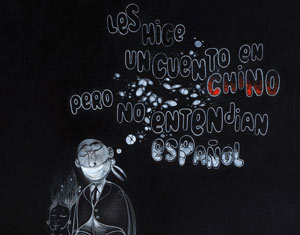
Del Valle dijo sentirse también contrariado por el dibujo de la serie Utopías y disidencias que Oliva escogió para ilustrar su carta en la internet. En la ilustración, aparece un hombre amordazado junto a la expresión siguiente: “Les hice un cuento en chino, pero no entendían español”.
Silvia Oliva explicó a CaféFuerte que la carta fue concebida por el pintor “para hacerla circular entre artistas, amigos, instituciones responsables y personas interesadas en saber su posición personal sobre el tema”.
A continuación CaféFuerte reproduce la carta del pintor Pedro Pablo Oliva y la respuesta del presidente del CNAP:
DECLARACIÓN DE PEDRO PABLO OLIVA SOBRE LA CANCELACIÓN DE LA EXPOSICIÓN “UTOPÍAS Y DISIDENCIAS”
A mis amigos, a la Unión Nacional de Escritores y Artistas de Cuba, al Ministerio de Cultura, al Consejo Nacional de las Artes Plásticas y a la Asociación Hermanos Saíz. A todos los que continúan solicitando insistentemente una explicación acerca de la cancelación de mi muestra personal en el MAPRI.
A petición del Museo de Arte Pinar de Río (MAPRI), en el 2011 comencé a trabajar en una muestra que para septiembre del 2014 estaba lista con los últimos trabajos de una nueva serie: Utopías y disidencias. La misma dialogaba sobre mis inquietudes estéticas, sociopolíticas y filosóficas del momento, algo recurrente en mi trabajo desde sus inicios, pero que en esta oportunidad me hacía retornar de forma más evidente aquella primera vocación del cómics y la crónica humorística. Los especialistas del MAPRI, tras considerar detenidamente el proyecto, lo aceptaron sin reparos.
Hace alrededor de cuatro meses, en un encuentro con la directiva del Consejo Nacional de las Artes Plásticas (CNAP), les informé que había conformado una muestra personal, presentándoles el proyecto curatorial correspondiente, donde se incluían imágenes de la serie.
Dicho proyecto proponía una muestra itinerante que recorriera tres puntos claves en el debate cultural, artístico y sociopolítico cubano: Pinar del Río, La Habana y Miami. El objetivo era crear a través del arte un punto de convergencia entre estos tres sitios, un diálogo sobre temas comunes entre públicos cubanos de diferente contexto.
El itinerario comenzaría por Pinar de Río, honrando el compromiso largamente contraído con el MAPRI, por tratarse de mi ciudad de origen y el lugar que donde vivo hace 65 años, y por ser de suma importancia para el sentido de mi obra reciente, el ámbito donde nació la temática de Utopías y disidencias.
La Habana, su segunda parada, colocaba a la exposición en el centro cultural más importante de la isla. Concluiríamos en Miami, puesto que hace varias décadas que la comunidad cubana residente allí valora, atesora y promueve una parte sustancial del arte cubano contemporáneo y de todos los tiempos, deviniendo naturalmente un enclave esencial para la cultura cubana.
En esta primera reunión en el CNAP, expusimos algunas inquietudes acerca de una diapositiva donde se mostraba, sin autorización, una de mis obras más conocidas, como parte de las imágenes que “ilustraban” la “subversión” y la manipulación ideológica del enemigo en el ámbito de la cultura, en una conferencia impartida por un oficial del MININT a un grupo de directivos y académicos de la Universidad de Pinar del Río. Algunos de los allí presenten nos llamaron la atención sobre el comentario del oficial, al detenerse en la diapositiva, de que hay artistas que reciben dinero del “enemigo”. A ello se suman las continuas llamadas, por parte del oficial de la Seguridad del Estado que “atiende” el sector cultura en Pinar del Río, a nuestros amigos y colaboradores cercanos, con la intención de vigilar nuestra vida privada, creando, como es lógico, un clima de suspicacia con respecto a mí y a mi familia.
Atendiendo a esta inquietudes, y percibiendo el riesgo de que sobreviniera una radicalización de estas condiciones, Rubén del Valle Lantarón, presidente del CNAP, nos sugirió que consideráramos, a modo de alternativa, exponer primero en el Centro de Arte Contemporáneo Wifredo Lam en La Habana. En su opinión, exponer en esta institución, “la más importante del contexto artístico cubano”, con un curador asignado, era una forma de legitimar mis obras, limar asperezas y así evitar problemas mayores. En aquella reunión, quedamos en que lo pensaríamos y le daríamos una respuesta.
Debo precisar que Utopías y Disidencias, narra fundamentalmente las historias y divagaciones de un personaje, “Utopito”, que es un cubano, pinareño por demás, lleno de contradicciones, unas veces lúcido y otras no tanto, que intenta explicarse el mundo y su propia realidad. Se trata de un hijo de la tradición plástica cubana, heredero de El Bobo de Abela, del Salomón de Chago, o de El Loquito de De la Nuez.
Algunas piezas de la serie ya habían sido vistas en varias muestras dispersas en La Habana y en el propio Pinar del Río, entre ellas en “Dream City”, organizada en el MAPRI en noviembre de 2011, durante el 2012 en “AB&C”, organizada por la Galería Collage Habana para la 11na. Bienal en la Sala Tangana, Hotel Nacional de Cuba; ese mismo año otras se exponían en la Galería Villa Manuela de la UNEAC, mientras que en lo que va del 2014 se incluyeron cuatro piezas en “Miradas”, muestra homenaje por los 30 años de la Bienal de La Habana en Factoría Habana, y otras cuatro en la exposición colectiva “A este lado del paraíso”, en la Galería El Reino de este mundo, de la Biblioteca Nacional José Martí. Incluso, uno de los dibujos de la serie fue seleccionado como portada para la carpeta entregada a los delegados del Congreso de la UNEAC este mismo año.
Tomando en cuenta todo lo anterior, y pensando además que hacía 20 años no hacía una exposición personal en Pinar del Río -desde “El Gran Apagón”-, decidí que a pesar de todo no debíamos romper nuestro compromiso inicial y continuar con el itinerario previsto. Fijamos con el MAPRI las fechas de la muestra, del 10 de septiembre al 14 de noviembre, día este último en que se cumpliría el 13 aniversario de esta institución.
Todo ello fue informado en carta al Presidente del Consejo Nacional de las Artes Plásticas, firmada por mi representante y enviada el 16 de julio del 2014, de la cual cito textualmente un fragmento:
“Pedro Pablo y nuestro equipo de trabajo, después de haber reflexionado detenidamente a propósito de la conversación en el Consejo, y de constantes intercambios y debates en las últimas semanas, hemos convenido en iniciar el periplo de la exposición teniendo como primera sede la ciudad de Pinar del Río. Conversamos con el director del MAPRI, Juan Carlos Rodríguez, y luego de entregarle el proyecto y exponerle nuestras dudas, el MAPRI mantiene su disposición de acoger Utopías… y asume con responsabilidad el trabajo conjunto. Téngase en cuenta además que la serie se concibió teniendo por motivo y fuente de inspiración primeros la relación del artista con sus coterráneos –como ya se ha expuesto, su protagonista, Utopito, es un pinareño-, y la muestra desea comenzar su diálogo con los públicos de nuestra ciudad. Utopías y Disidencias es también, en cierto modo, un canto, un homenaje de Pedro Pablo al pueblo pinareño.
Existen otras razones de peso para esta toma de decisión. La muestra festeja las dos décadas de El Gran Apagón, obra medular que fuera realizada y expuesta por primera vez en Pinar del Río entre 1994 y 1995. Por otro lado, y creemos que este constituye el argumento de mayor peso específico, hace precisamente 20 años que Pedro Pablo no realiza una exposición personal en su ciudad; aunque es un orgullo para Pinar del Río contar con un maestro de su categoría, contradictoriamente pocas veces su tierra natal ha tenido la oportunidad de ver su obra de conjunto. Se une a ello los trece años del MAPRI (la clausura de Utopías… abrirá el marco de las actividades por el aniversario), institución que fue creada gracias al empuje de Oliva en pos del crecimiento cultural de la región. Por último, la muestra también celebrará simultáneamente, a lo largo de su itinerario, los 65 años de vida y los 45 de carrera artística de Pedro Pablo Oliva.
En conclusión, por acuerdo del Museo de Arte Pinar del Río y del Estudio de Arte de Pedro Pablo Oliva, la exposición será inaugurada en el MAPRI el 10 de septiembre de 2014 y estará en sala hasta el 14 de noviembre. El presidente del CPAP en Pinar del Río, Yoan Lorenzo, está al tanto. La serie Utopías… es en verdad mucho más amplia que la muestra a exponer en el MAPRI, por lo que presentaremos al Centro W. Lam el proyecto de modo que lo tenga en cuenta para el próximo año.”
En efecto, entregamos también el proyecto curatorial en la oficina de Jorge Fernández, director del Centro de Arte Contemporáneo Wifredo Lam, con la petición de que lo discutiera en septiembre con su equipo, como dicta el protocolo, para considerar su inclusión en el cronograma de exposiciones del año 2015, con la condición de que no existiera ningún curador asignado, puesto que la exposición ya tenía curador.
Cuál no sería mi sorpresa cuando apenas una semana antes de la inauguración en Pinar del Río recibimos la visita de Rubén del Valle para informarnos que la exposición estaba cancelada, y pospuesta, porque el contexto actual (refiriéndose a Pinar del Río) no ofrecía la garantía de condiciones favorables desde un punto de vista que subrayaba como subjetivo. No me han aclarado, hasta el momento, la naturaleza concreta de estas garantías inexistentes o en qué, quién o quiénes reside la subjetividad desfavorable que motivó la cancelación.
Lo cierto es que no podré entender nunca cómo a un creador cubano Premio Nacional de Artes Plásticas, Maestro de Juventudes, Orden por la Cultura Nacional, Orden Alejo Carpentier, Utilidad de la Virtud, entre otras, se le puede dar una respuesta tan evasiva, cuando se supone que el otorgamiento de tales honores le concede un voto de confianza a su depositario.
Si todos estos años de compromiso personal con el arte, con la cultura cubana y con el debate de ideas que todos debemos emprender en Cuba para construir un país mejor, parecen no haber servido de nada, y no merecer un mínimo de respeto y transparencia, PROPONGO reunir un jurado de prestigiosos intelectuales cubanos de cualquier rama de la creación o el pensamiento para que determine si aún poseo los méritos suficientes para conservar tales distinciones. Intelectuales de diferentes generaciones, manifestaciones, pensamientos, posturas ideológicas, tal y como es Cuba, su cultura y su arte para que emitan su juicio sin permitir la mediación de otra subjetividad que no sea la propia.
Sé que es injusto proponer nombres, pero a mi mente vienen Roberto Fernández Retamar, Eusebio Leal, Silvio Rodríguez, Reynaldo González, Eduardo Torres Cuevas, Abel Prieto, Guillermo Rodríguez Rivera, Graciela Pogolotti, Miguel Barnet, Roberto Fabelo, Nelson Dominguez, Adelaida de Juan, Pablo Armando Fernández, José Villa, Lesvia Vent Dumois, Desiderio Navarro, Leo Brower, Pablo Milanés, Carlos Valera, Eduardo Ponjuán, Manuel Mendive, Manuel López Oliva, René Francisco, Leonardo Padura, Antón Arrufat, Carlos Díaz, Flora Lauten, Polito Ibañez, Rosario Cárdenas, Senel Paz, Fernando Pérez, Arturo Soto, Lázaro Saavedra, Nelson Herrera Ysla, Lliliam Llanes, Gerado Mosquera, Tania Brugueras, Magalys Espinosa, etc., etc., y tantos más… entre los que incluyera, si pudieran estar entre nosotros, a Alfredo Guevara, Virgilio Piñera, Cintio Vitier, José Lezama Lima, Nicolás Guillén, Heberto Padilla, Dulce María Loynaz, Antonia Eiriz, Santiago Feliú, Guillermo Cabrera Infante, Jesús Díaz…
Profeso respeto por el Centro de Arte Contemporáneo Wifredo Lam, por su equipo de trabajo, por su historia y por su papel en el desarrollo de la cultura visual cubana. Es por ello que la primera vez que exponga allí, si alguna vez sucede, no lo haré por las razones equivocadas. La legitimación de mi obra, y entiéndase por ello la medida de su mérito artístico, pertinencia social y valía cultural después de 45 años de trabajo incesante, no puede quedar a expensas del lugar donde se expone, ni mi entrada a un espacio de arte puede estar determinado por razones otras que no sean las artísticas. No puede ser que el Centro Lam llegue a ser algo así como un salvoconducto para que mis obras se reciban después en otros espacios sin mayores desvelos o sobresaltos. Mi obra dialogará con los demás por su propia cuenta, dondequiera que esté, y pasará lo que tenga que pasar. Por demás, no me interesa probar nada, no necesito nada para reafirmarme en lo que soy, un artista cubano, no de La Habana o de Pinar.
A estas alturas no es posible discernir con absoluta claridad si la cancelación de “Utopías y disidencias” fue una decisión tomada o una presión ejercida desde mi provincia, o si por el contrario “vino de más arriba”. Nadie me aclara nada. Nadie me dice nada. Solo tengo en mi memoria a Rubén del Valle culpándose de todo. Los extraños fantasmas que manipulan esta situación, solo espero que un día den la cara.
Pero una cosa sí tengo por segura: si el MAPRI y Pinar del Río no son también Cuba, si aún hoy, a apenas unos meses del último congreso de los escritores y artistas cubanos, una exposición de arte puede ser cancelada por decreto en una institución pública sin más explicaciones, me pregunto si esto no es una muestra más de la necesidad de cambiar nuestras políticas culturales. Me pregunto ¿qué es un intelectual, sino un hombre que intenta cambiar el mundo siempre, siempre para mejorarlo?
Pedro Pablo Oliva
CARTA DEL PRESIDENTE DEL CNAP A PEDRO PABLO OLIVA
Fecha: 2014-09-20
Estimado Pedro Pablo:
En la noche de ayer, mientras asistía a un homenaje a José A. Figueroa por sus 50 años de vida artística, varios creadores me llamaron para preguntarme si conocía la última declaración abierta que Pedro Pablo Oliva había publicado en su sitio web. Mucho fue mi desconcierto al leer el texto que encabezaba su página, antecedido por un dibujo de su serie Utopías y disidencias donde un Utopito amordazado cavilaba: «les hice un cuento en chino pero no entendían español»
Aunque no acostumbro a intervenir personalmente en diatribas públicas, y me resultan además muy poco gratas, fecundas o edificantes las sagas que generan en la red tales debates, he decidido en esta oportunidad exponer brevemente mi punto de vista. Me motiva en primer lugar el profundo respeto y admiración que siento por Ud. y por su obra, transparente, de indagación social, lúdica, valiente y siempre hermosa. Me motiva también la confusión que han generado en el medio los argumentos que esgrime en su texto y especialmente el modo superficial con que asume la autoridad de mi gestión en este asunto.
Reitero una vez más que asumo la total responsabilidad por las decisiones adoptadas a nombre del Consejo Nacional de las Artes Plásticas, al estructurar y proyectar la estrategia de circulación y promoción de la exposición que Ud. nos presentó. Con ello ejerzo el derecho institucional a tomar las decisiones que estimemos pertinentes en la implementación de la política cultural, en la búsqueda de favorecer un clima propicio para la socialización y democratización de lo mejor de la creatividad visual contemporánea y de ampliar cada vez más los márgenes de la recepción y de la asunción de los contenidos más disímiles. Me sorprende que luego de dos largas conversaciones donde cada cual expuso con absoluta franqueza e independencia sus puntos de vista, y cuyos resultados podrían considerarse acuerdos acerca de los destinos de su exposición, Ud. hiciera públicas incertidumbres referentes a que «nadie le aclara nada». Me resulta inadmisible su apreciación de que he sido orquestado o manipulado para ser la cara de una decisión tomada desde poderes ocultos.
También me resulta insólito su llamamiento a revaluar la pertinencia de sus premios y distinciones, incluso catalogaría de pueril la idea de un jurado y la cita respectiva de nombres de intelectuales y artistas, cuando bien sabe que su trascendente protagonismo en la cultura cubana no está en tela de juicio. Le recuerdo que mi proposición nunca cuestionó su obra, los contenidos de las piezas que integraban el proyecto, ni de la idea curatorial o la concepción general del mismo. Mi decisión de cambiar el orden de la itinerancia de la muestra se fundamentaba en los argumentos que Ud. mismo me ofreciera por escrito en la carta firmada por su hija Silvia el 16 de mayo del presente año, luego reiterados en esta reciente declaración, relativos a tensiones y actitudes de algunos funcionarios de instituciones de Pinar del Río, que resultan poco favorables a su persona y a su obra. Sería ingenuo de mi parte no tener en cuenta que además, en ese contexto afloran paralelamente, individuos con posiciones beligerantemente contrarrevolucionarias que han encontrado en estas circunstancias un excelente caldo de cultivo en el que desarrollar su activismo político.
Entendí que de realizarse Utopías y Disidencias primero en La Habana y luego en Pinar del Río desmitificaría la literalidad con que esta serie asume la crónica humorística de la cotidianidad cubana, y de su natal terruño, según Ud., cautivo hoy de prejuicios maniqueos y radicalismos extremos en sentidos encontrados. Nunca le propuse legitimar ni oficializar su proyecto, solo buscaba multiplicar las posibilidades de una recepción desprejuiciada, polisémica, donde el centro de las reflexiones se enfocara hacia su obra y no solo en interpretaciones manipuladoras de las posibles intenciones o signos político-ideológicos que ella portaba. La propuesta fue exhibir la muestra primero en el Centro de Arte Contemporáneo Wifredo Lam, la institución más prestigiosa del país en ese campo, cuya gestión se ha caracterizado por defender el compromiso del arte y los artistas con la realidad y con su tiempo; y luego organizarla en Pinar del Río, como parte del programa de exposiciones colaterales de la Duodécima Bienal de La Habana. Insisto en que desde nuestra primera conversación, mi propuesta solo suponía cambiar el orden del periplo, contribuyendo así a que la exposición se presentara en La Habana, Pinar del Río, y en otras posibles locaciones.
Hoy libelos de la contrarrevolución circulan con frenesí la noticia de que «el régimen censura una exposición de Pedro Pablo Oliva». Menudo censor ese que instrumentado por el «régimen» propone al artista multiplicar y jerarquizar las posibilidades de proyección de su trabajo nacional e internacionalmente. No es la primera vez que intentan manipularnos y alejarle de las instituciones cubanas.
Le reitero que creo en el diálogo directo, transparente, franco, y en la estatura moral de la palabra empeñada. Ciertamente, el desbroce hacia una Cuba cada vez mejor no se trata de transitar por un campo de violetas, como Rufo Caballero nos insinuara que usted la asume, en una de las más lúcidas lecturas que se han hecho de su trabajo. Las contradicciones de un terreno minado nos imponen desafíos donde cada cual juega su rol desde posiciones distintas, pero no necesariamente antagónicas. Creo y apuesto por el futuro de esta patria nuestra, forjado en un proyecto de emancipación y utopías; confío en la capacidad de la política cultural de la Revolución para generar y propiciar el diálogo, en el respeto a las posiciones del otro, y en la ampliación cada día más de los márgenes de la libertad de creación. Trabajo todos los días y pongo mi mayor empeño en aportar a ello lo mejor de mi capacidad humana e intelectiva. Con profundo agrado lo invito a visitar el 6to Salón de Arte Cubano Contemporáneo donde nuestros más jóvenes creadores han hecho despliegue de agudeza, rigor estético y compromiso con su realidad y con su tiempo.
Con todo mi respeto,
Rubén del Valle Lantarón
Presidente
Consejo Nacional de las Artes Plásticas
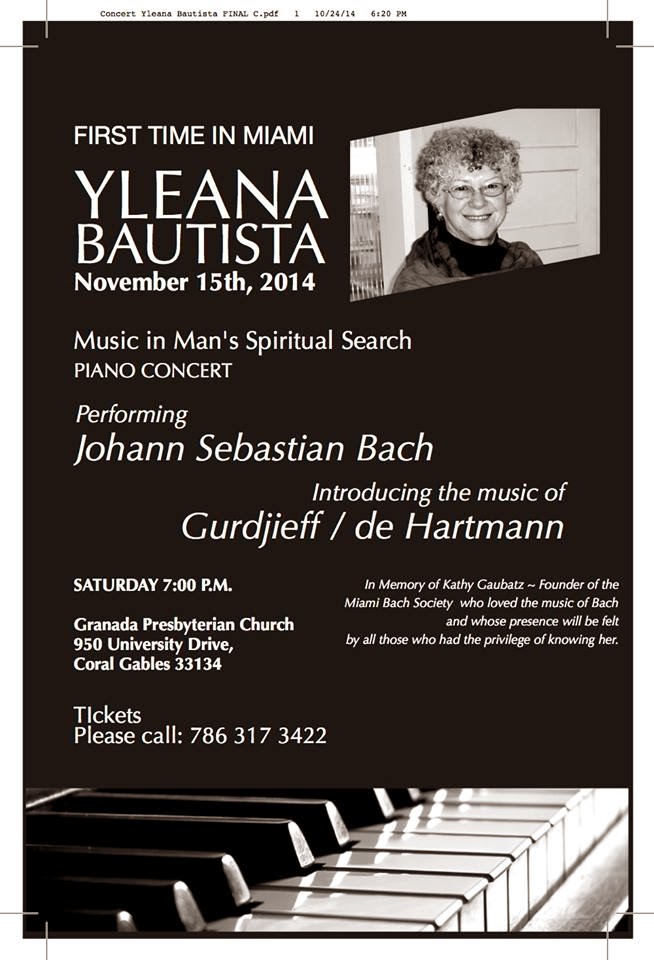
Thursday, September 18, 2014

Coco Fusco (Artivist, Scholar and Performer) about the impact of Art Basel on Miami's Visual Arts Scene

THE BEACHHEAD OF THE GLOBAL SOUTH. Coco Fusco

Originally published by The Miami Rail


Coco Fusco, And the Sea Will Talk to You, 2012. Installation view at the Next Wave Festival, Brooklyn Academy of Music. Photo: Nate Betts.

Much has been said about the ways that Art Basel has transformed Miami’s relationship to the international art world. Once a year in December, when it’s cold and gray in New York, London, and Berlin, the art jet set congregates in the waterfront hotels of South Beach to buy art, talk shop, cut deals, and party hard. Over the last 12 years, the number of fairs has grown from one to around 20, attendance numbers have reached six figures and the cash injection into the local economy is now estimated at over $500 million a year. The media hype stresses the benefits of high-profile culture, which, like it or not, spurs gentrification on the one hand, and public and private investment in local cultural institutions on the other.

The positive spin on these fairs’ ultra-chic blend of high art and high-flying nightlife has coaxed South Florida’s art patricians to open their doors to the public. Being on display before the eyes of the global art world has prompted local art collectors to invest a bit more in the local art scene and upped the ante for local art organizations. Miami-Dade County’s Art in Public Places has justly garnered national recognition for its innovative commissions. Artist-run spaces and artists’ residencies have multiplied and become more entrepreneurial. Media coverage of the arts has also expanded; the birth of the Miami Rail marked a key turning point, offering the most exhaustive coverage of Miami’s art scene that it has ever had. The city that has long been a key destination for immigrants from the Caribbean and Latin America, as well as sun-worshippers from the North, has become a desirable place for visiting artists seeking respite from the cold and a foothold in a burgeoning market. The lingering questioning for me is how this all affects the artists who live in Miami year round.

I am no great lover of art fairs—I don’t see them as really being designed for artists. Nonetheless, in the past three years I’ve been impressed on my visits in December to see so many regular folks coming out to look at contemporary art. Art fairs in New York and Europe don’t usually make significant overtures to the general public; tourists looking for culture in New York or Europe are more likely to head for a museum. Miami, on the other hand, has embraced Art Basel as a must-see blockbuster event. I would like to believe that this is a sign of a broader rapprochement between local communities in Miami and the institutions and elites that call the shots in the world of art. Not too long ago, artists in Miami, particularly those who hailed from the Global South, had a tough time in every way: the local market was weak, the scene lacked verve, and there seemed to be no way to project oneself professionally using Miami as a base. Displaying an attitude that was once typical of regional arts institutions, Miami’s museums showed little interest in the work of local artists, favoring traveling shows that featured art stars from New York and Europe.

The result of that disconnect between affluent collectors who keep vacation homes in South Florida, far-sighted museums that couldn’t see the art that was just outside their doors, and local artists was that the ambitious generally left town as soon as they could. The Cuban artists who immigrated to Miami during the 1980s and 1990s used to complain to me that buyers dropping in at galleries in Coral Gables wanted paintings in colors that would match their furniture. Sadly, the city’s dearth of economic opportunities and the absence of a broad cultural vision stymied the careers of more than a few immigrant artists who have tried to set up shop in Miami.

In 1994, on the occasion of the acquisition of one of the works of Cuban artist José Bedia by the Rubells, I was invited to Miami to speak at a public event and interpret for the artist. I remember being stunned to find that his was the first Latin American work that had been purchased for the collection. How could a place reborn in the postmodern era as a pan-Latin, pan-Caribbean hub and a key player in hemispheric political affairs still have an elite that chose to ignore their town’s new status as the beachhead of the Global South? So when the Miami Rail invited me to come down for a visit without the art fair noise in the background, I saw it as an opportunity to take a closer look and engage in dialogue with members of the local arts community to get a sense of whether Miami’s changing cultural landscape was affecting them for better or for worse.

I arrived in the midst of a political dispute at the Museum of Contemporary Art, North Miami (MOCA) over whose interests should prevail at this public institution: those of the local, working class, mostly Haitian population or those of the elite board members who sought to use city monies to expand the museum and create more space for an art collection that consists largely of works they have donated. The local citizens’ decision to reject the board’s bond proposal to expand the museum, the board’s plans to transfer the museum’s collection to the much more tony Bass Museum, and the bizarre duel between a board-appointed and a city-appointed new director—both of whom are claiming to be the legitimate institutional leader—are tell-tale signs that longstanding divisions between Miami-Dade County’s various social sectors have not yet been resolved. What is interesting to me about this battle is that the Haitian community and its political representatives were ready to publicly oppose a culture elite that operates as if its idea of what was right for art was all that mattered. Long gone are the days in America when immigrant communities quietly submitted to whatever the established power structure mandated: Miami’s newer communities clearly see themselves as stakeholders in the city’s cultural life. On that note, I was particularly heartened to learn that the Pérez Art Museum Miami has embraced a curatorial vision for the institution that focused on the Caribbean and Latin America, which not only enables them to take advantage of a permanent collection of Latin American art and many prominent local collections of the same, but also acknowledges Miami’s hemispheric position and the city’s changing demographic.

Political clashes may have been in the air but local artists showed little interest in flexing their political muscles. None of the artists I spoke to during my visit mentioned the MOCA controversy during a group discussion about media coverage of the Miami art scene, even though news of the debacle was all over the national press. Only one artist I talked to during my trip mentioned that the conflicts surrounding the Miami Art Museum’s 2011 decision to change its name to the Pérez Art Museum Miami were an open wound that he and his peers sought to stay away from. On a more positive note, none of the artists I spoke to expressed a sense of their being marginalized on the basis of their cultural identity—a far cry from what I used to hear 20 years ago.


José Bedia, Naufragios, 1996. Installation view. Photo courtesy the Rubell Family Collection.


I sensed a certain wariness about getting embroiled in political matters, a fairly strong desire among many artists to remain in good graces with the powers that be, and a general perception that media recognition and sale of their art was the top, if not the sole priority. Artists responded to my questions about the relationship between the local media and the arts community as a matter of whether there were sufficient reviews of art shows. When I ventured commentary about how soft journalism’s personal interest stories about individual artists and emergent trends, together with the more strident voices of art bloggers who often break news and challenge social taboos, can invigorate an art scene and empower artists, I got the sense from the responses that more direct engagement with media seemed too complicated and labor intensive. Several lamented the lack of a full time art critic at the Miami Herald, as if the appointment of a single person would transform arts coverage and serve their interests. I was quite open in my skepticism about this proposal. Giving one critic total power to cover an entire arts milieu could easily do more damage than good. Other artists acknowledged that the range of coverage had broadened significantly in the past decade, that art magazines such asArtNexus had established offices in Miami, and the Rail’s expansive coverage was a boon to the local scene. But the idea of getting involved in writing or publishing, on or offline, didn’t seem very attractive to many, although a couple of the younger artists I met had explored creatively manipulative uses of PR to create performances.

Perhaps the reluctance of artists to imagine themselves as political actors in the Miami art scene is due the media’s characterization of political matters in the cultural sphere as ugly fights between rivals rather than crucial power struggles that are key to redefining the cultural character of the city. Who wants to see themselves as permanently engaged in public brawls? It may also be that the relatively recent expansion of support for local artists (including a steadily growing local market) after a long period of extremely limited possibilities could be contributing to artists’ hesitance. But artists don’t always win by playing nice and accepting whatever comes their way, or by expecting others to explain what they do and why their work should be valued. Critics cannot always be relied upon to understand the new, nor do collectors and curators invariably embrace the unknown—and, these decision makers are famous for being fickle. Artists aren’t just object makers. We are also each other’s first audience, the toughest and most incisive critics, and the most significant mentors. If we don’t protect our status as cultural and creative beings, we can easily become tools for someone else’s vision or agenda, or never reap the benefits of our efforts. Individual and collective advocacy by artists has historically been instrumental in the development of intellectual property and resale rights for visual artists, and it has helped to shape a more open dialogue between art institutions and practicing artists as more and more venues collect and showcase contemporary art. Artists have frequently stepped up and launched publications to give voice to their views, particularly in times and places where other arts professionals are either absent or uninterested. Eventually, others come around if artists make enough noise. All these activities are valuable political contributions that create and sustain culture as much as any studio practice.

The local creatives behind Miami’s smaller, artist-run galleries and multi-service cultural organizations are the ones who are most clearly committed to a holistic approach to making an art scene happen. It was a real pleasure for me to walk into so many cultural spaces in Miami with young artists at the helm who were clearly enjoying themselves and drawing significant crowds to their activities. Dimensions Variable, Locust Projects, and Cannonball—just to name a few—are making truly important and lasting contributions to contemporary artistic culture in Miami, not only by hosting exhibitions that feature works by local artists and curators and bringing local artists into contact with visiting artists from abroad, but by enacting cultural models in which artists are the decision makers at every stage. These are places where artists can come together to share and assess what is valuable to them, rather than using the market or the art fair as the measure of all worth. It’s important to have a sense of what artists care about as something distinct from the price tag that is placed on the things they make.

I heard quite a few people express concern about the imminent end of cheap rents and the prospect of being displaced by real estate developers who always get chummy when they want artists to make neighborhoods attractive then dump them when they can make more money off of others. That cycle is all too familiar to artists all over the world, and the only way to stave off evictions is by investing in property, which is usually impossibly expensive for fledgling organizations. It might be worthwhile to look at models in other cities: statutes that have been created for subsidized artists’ housing and work spaces and new initiatives emerging in New York and elsewhere in which entire buildings are being converted into low-cost live work spaces for artists, available for purchase with extended payment plans. These sorts of options only become viable realities when artists band together and organize to bring them into being. So it seems like a next step for Miami’s local arts community may involve thinking beyond short-term residencies and cheap studio rentals to imagine how more artists and arts organization can have a stake in real estate.

A final note in closing my comments on a thoroughly enjoyable visit: the issue that came up again and again in my discussions in Miami was the absence of a high quality MFA visual arts program in Miami-Dade County. Artists who have taught locally pointed out that the best and brightest high school students from the city’s art-focused high schools are courted by top-tier art colleges outside Florida, and they leave because local options are simply not as exciting. Unfortunately, the presence of Art Basel has not had much of an effect on existing college level programs in the Miami area. Everyone I met recognized that high-profile advanced art programs inject conceptual rigor into local cultural production and also into local art discourse. They raise the level of discussion by bringing good students, challenging teachers and prominent visitors together on a regular basis. While it is notable that local art collector Rosa de la Cruz has underwritten trips to Europe for students from the New World School of the Arts, there is still much work to be done in Miami to create the kind of advanced art education that adds gravitas to an arts community. Artists in Miami should keep in mind that in a global art market where supply exceeds demand, there is little incentive for collectors or gallerists to invest in improving the local production line. Those artists who see a need for more and better art schools in South Florida will have to assume a leadership role in making them happen.

Coco Fusco visited as part of the Miami Rail’s Visiting Writer Program, which is supported by the John S. and James L. Knight Foundation.